

The local scene
Longevity Biohacking in Cape Town: The Local Scene in 2026
Cape Town has quietly become one of the most active longevity biohacking communities in the Southern Hemisphere. Here's the landscape.
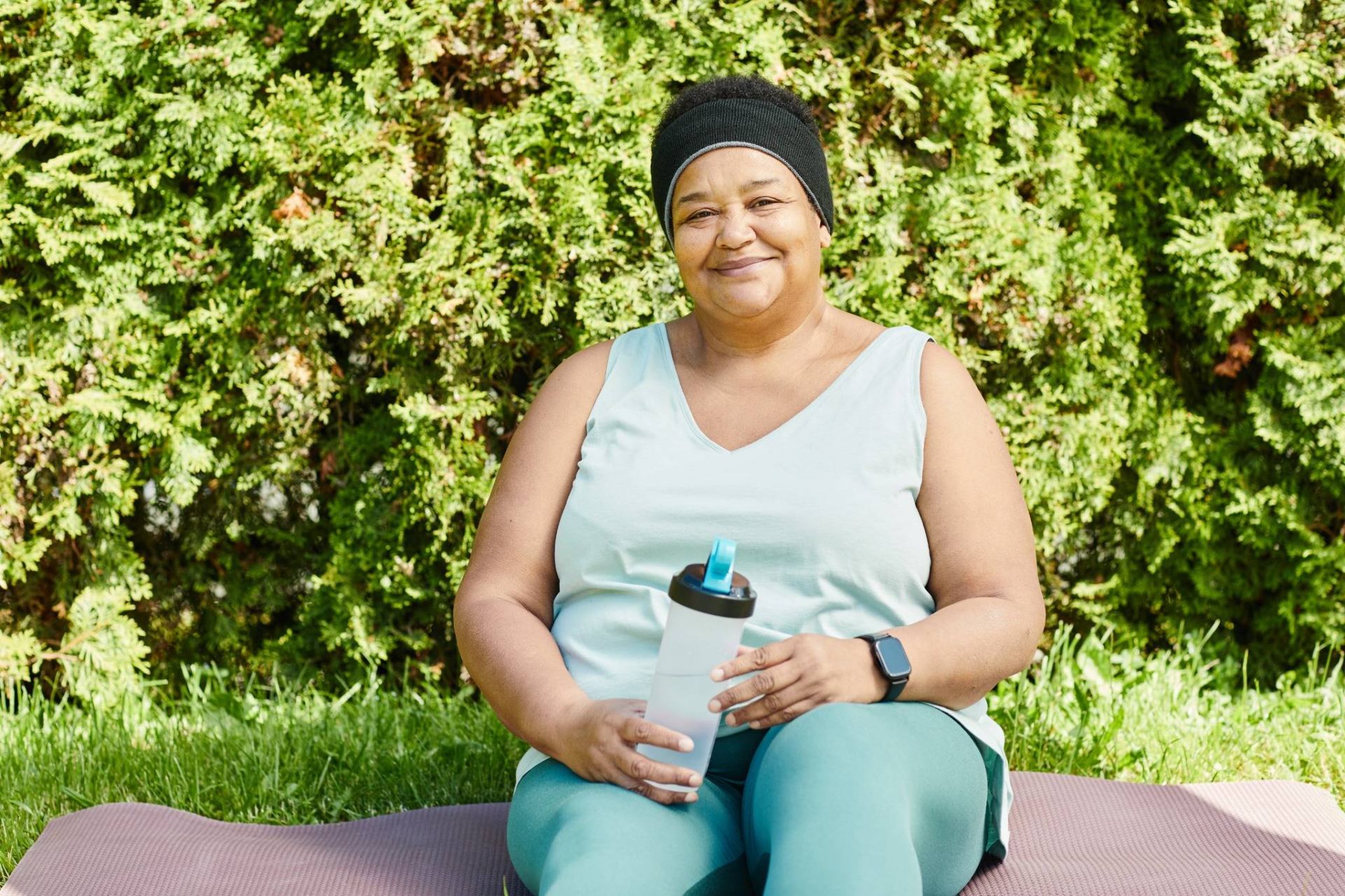
If you'd asked in 2020, the answer to "is there a longevity biohacker Cape Town scene?" was: kind of, mostly online. Six years on, the answer is: yes, structured, GP-supported, and growing fast. The local community blends the global longevity playbook — bloodwork, resistance training, sleep, fasting protocols — with peptide research and a Cape Town-specific clinical network.
The typical stack
There isn't one stack — that's the point. But there's a recognisable shape to what experienced local biohackers tend to converge on:
- Foundational: zone 2 cardio 3×/week, resistance training 3×/week, 7–9h sleep, time-restricted eating
- Supplements: creatine, omega-3 EPA/DHA, vitamin D3+K2, magnesium glycinate
- Bloodwork cadence: full panel every 6 months, IGF-1 + lipids quarterly if on a protocol
- Peptide rotation: typically a recovery peptide (BPC-157 or TB-500) and a GH-axis peptide (CJC-1295/ipamorelin or tesamorelin), cycled
- Metabolic monitoring: CGM during specific protocols, fasting insulin quarterly
The evidence base for the foundational layer is strong.1,2 The evidence base for the peptide layer is thinner and more experimental — which is exactly why tracking and GP oversight matter.
Clinical infrastructure
Cape Town is unusual in South Africa for having a working network of GPs comfortable with longevity protocols. The practical implication: you can get an experienced clinician to oversee a protocol, run the right bloodwork, and adjust as you go. The Peptide South Africa network and the Cape Town Peptide Club both maintain referral lists.
On the lab side, the three major pathology providers — Lancet, Ampath, PathCare — all run the longevity-relevant marker set, with PathCare particularly strong in the Western Cape.
Where the community meets
- Cape Town Peptide Club — monthly workshops, GP Q&As, vetted peer network
- Sea Point and Atlantic Seaboard run/swim groups — informal but a real overlap with the longevity crowd
- Specialist gyms and movement studios — several Cape Town facilities now offer longevity-oriented training programming
- Local clinics — a small number of practices in the Southern Suburbs and CBD have built dedicated longevity arms
What's changed in 2026
Three things, locally. First, the SA peptide supply chain has matured — compounding pharmacies in Cape Town now reliably supply COA-backed research-grade product, which wasn't true five years ago. Second, the medical-aid landscape is beginning to recognise some preventative bloodwork as legitimate. Third, the community is large enough to be self-sustaining: there's a real peer pool to learn from, not just imported podcasts.
Getting started locally
- Get a baseline full panel (Lancet, Ampath or PathCare)
- Find a GP who'll work with you on protocols — or use the Club's referral list
- Attend one workshop before starting any peptide protocol
- Set up a tracker before your first dose, not after
- Run one variable at a time, log everything, repeat bloodwork at washout
References
Frequently asked questions
Join the community
Cape Town Peptide Club
Workshops, GP-led Q&A and a vetted peer network for longevity-focused biohackers in SA.
Visit the ClubDisclaimer: Content is for educational and research purposes only and does not constitute medical advice. Regulatory status and approved indications vary by product and country. In South Africa, confirm a product in SAHPRA's register and consult a registered medical practitioner before considering any treatment.