

Peptide research, decoded.
Educational deep-dives on protocols, bloodwork, dosing math and the Cape Town peptide community. Every post is research-cited and written for honest, GP-led practice.
Clinical Research
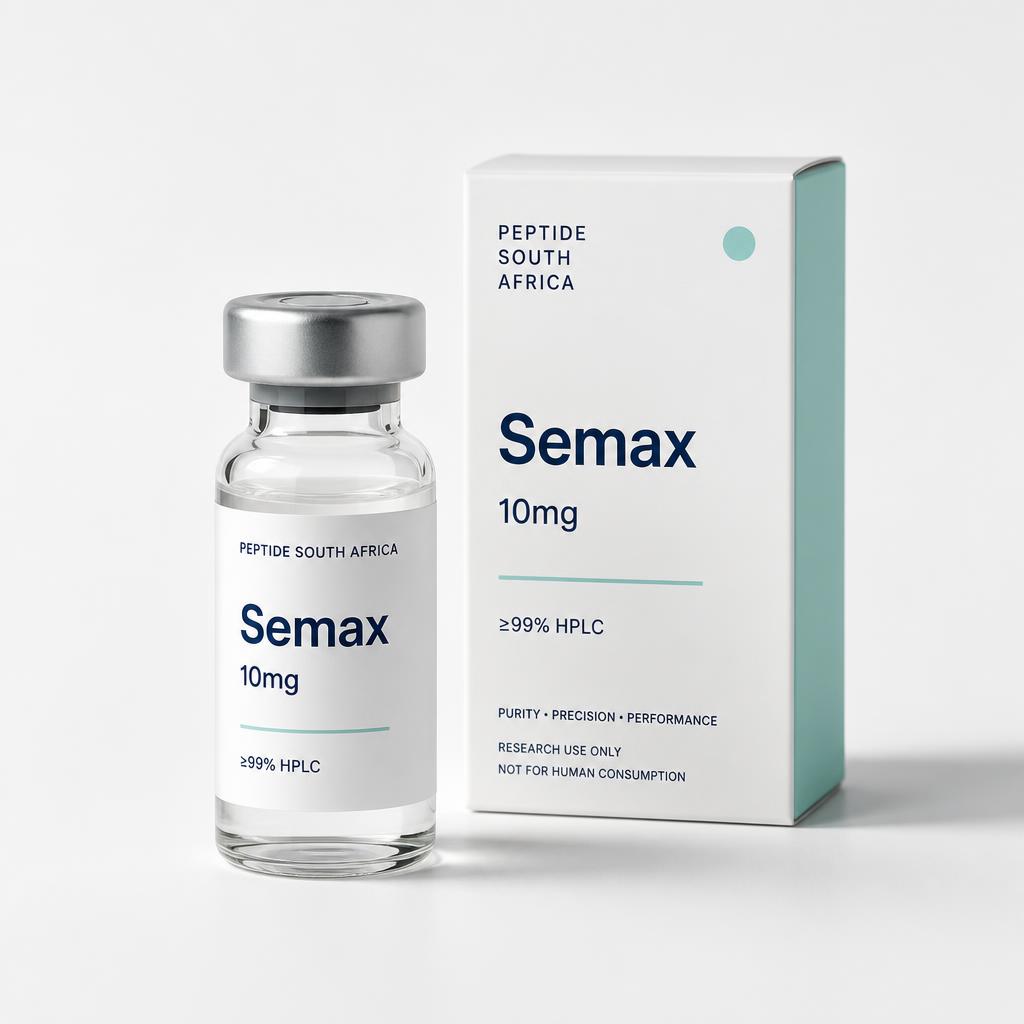
What is Semax? A guide to neuropeptide research
Semax is a synthetic peptide investigated in neurological research, including work involving acute ischemic stroke. Findings in a particular clinical setting do not prove that a separate research product improves focus, sleep or general wellbeing.
Clinical Research
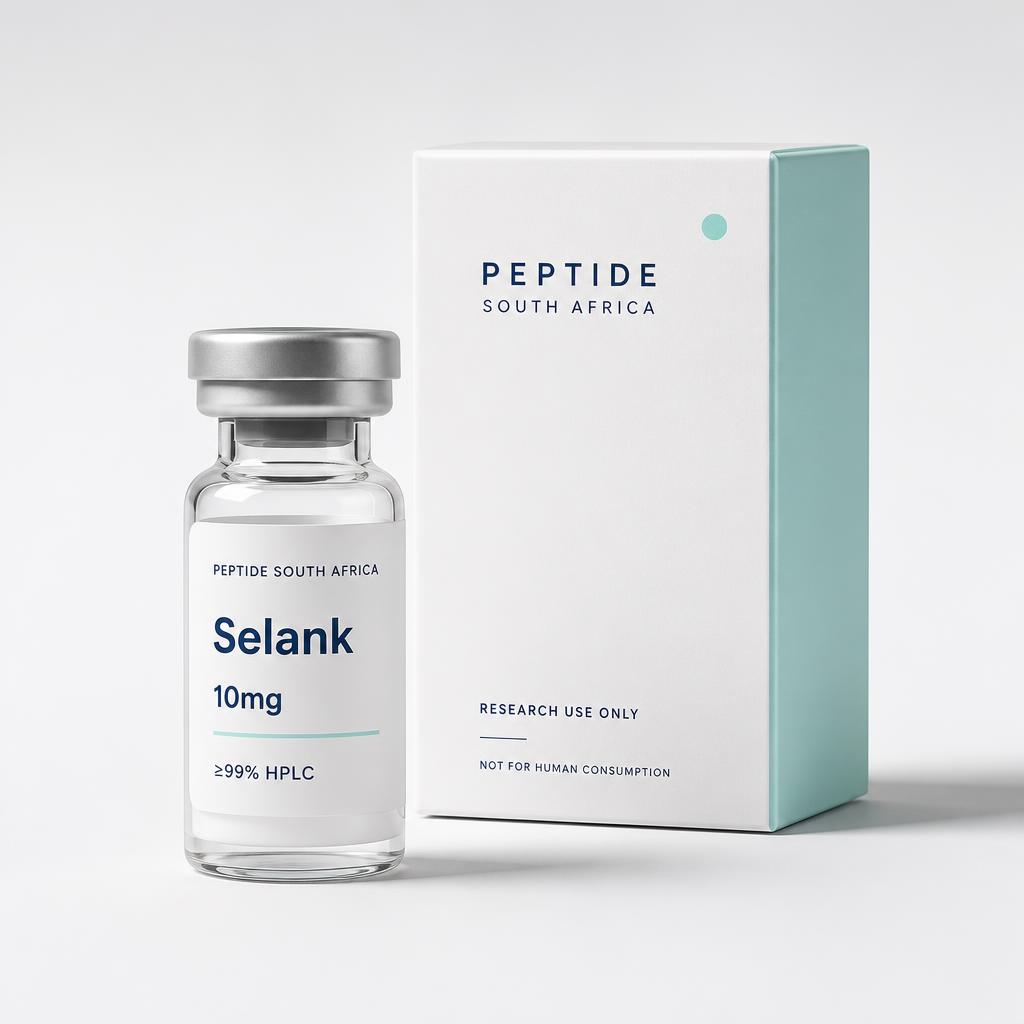
What is Selank? Anxiety research and unanswered sleep questions
Selank is a synthetic peptide investigated in anxiety research. A small clinical comparison with medazepam has been published, but this does not establish a sleep treatment or validate the DUSK combination.
Clinical Research
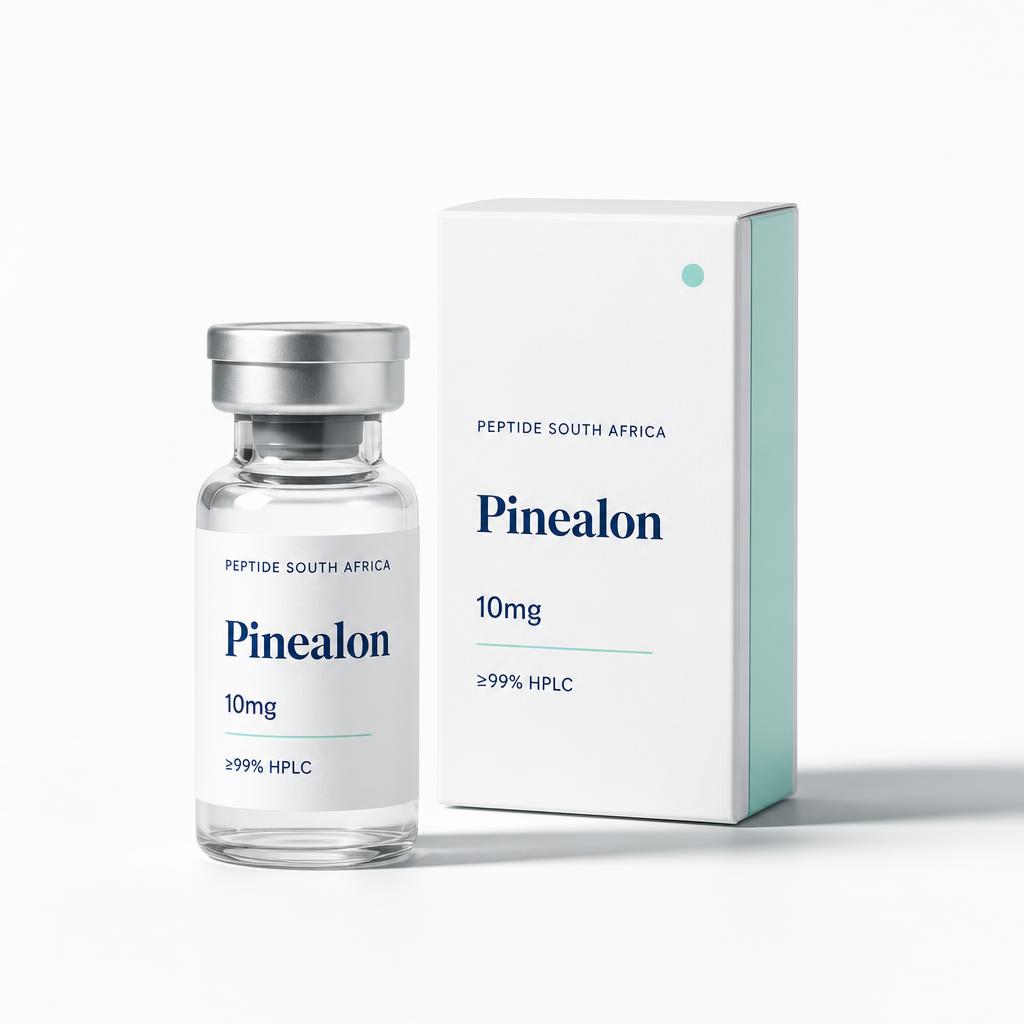
What is Pinealon? Cell research and the limits of sleep claims
Pinealon is a synthetic tripeptide studied in cellular models of oxidative stress. Direct evidence that it improves sleep in people is limited; a cellular finding is not a demonstrated clinical effect.
Clinical Research
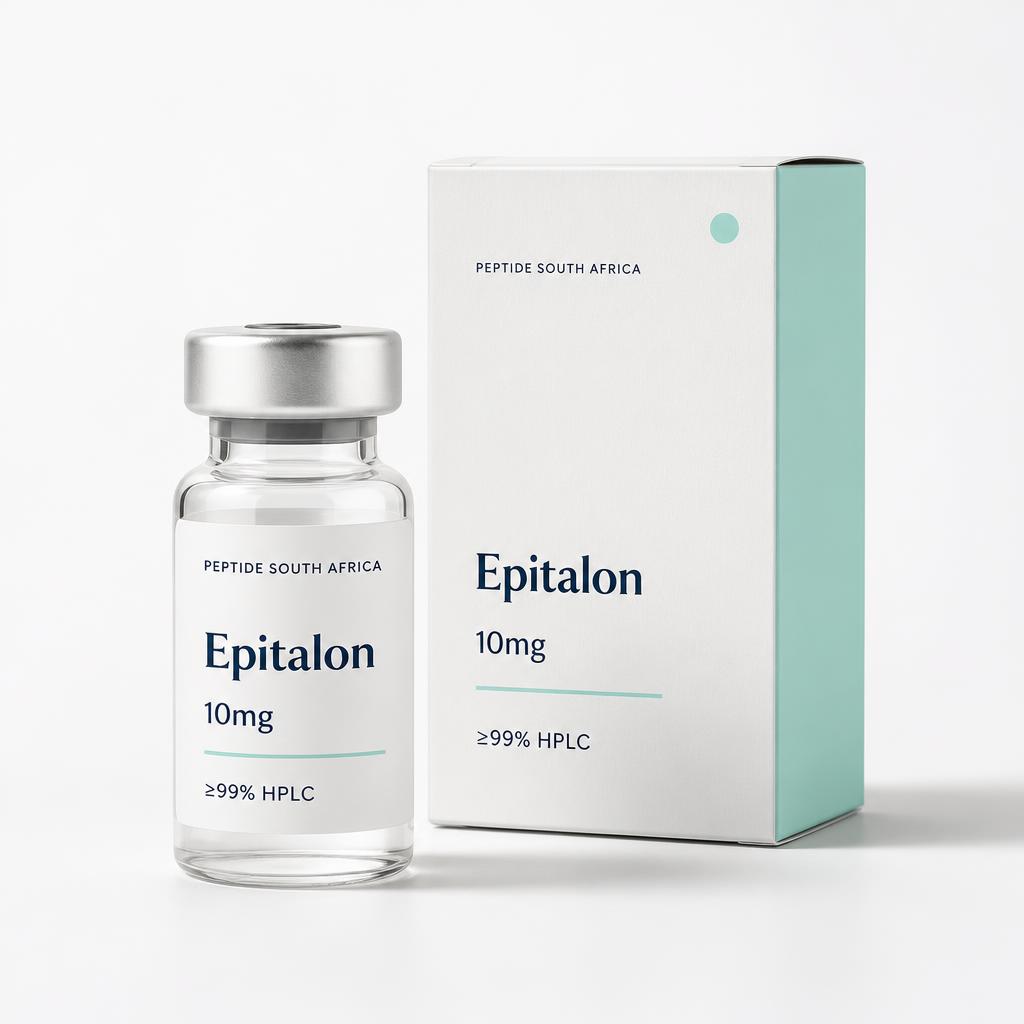
What is Epithalon? Circadian rhythm research and evidence
Epithalon, also called Epitalon, is a synthetic four-amino-acid peptide investigated in aging and circadian biology. Research in older monkeys reported changes in melatonin and cortisol rhythms; that finding does not establish improved human sleep or longer life.
Clinical Research
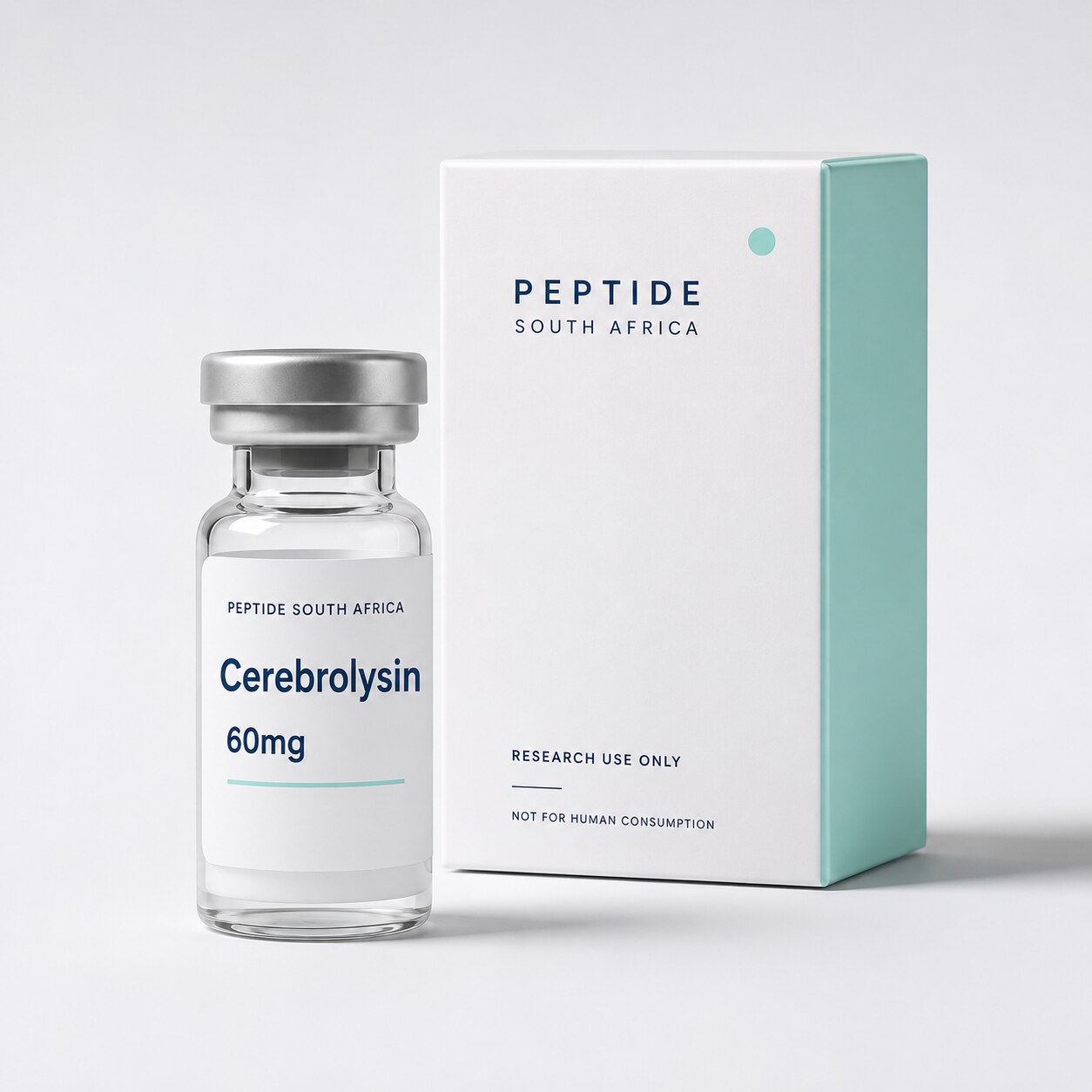
What is Cerebrolysin? Stroke research and product identity
Cerebrolysin is the name used for a peptide preparation investigated in neurological conditions. Published trials concern specific preparations in clinical settings; a similarly named research listing cannot be assumed to be the same formulation.

Clinical Research
GLP-1 Medicines Before Surgery in South Africa: A Plan, Not a Blanket Stop Rule
The useful question is not simply how many days to stop a medicine. It is who will agree your medication, fasting and anaesthesia plan. Here is how to prepare for that conversation—and why a warning about stomach emptying does not mean every patient should stop treatment.

South African Regulation
GLP-1 Abdominal Pain: When to Seek Care and How to Report Side Effects in South Africa
Recognising a possible emergency, explaining what you took and reporting a suspected side effect are three different tasks. This guide separates them—and explains what the UK’s January 2026 pancreatitis warning means for a South African conversation with your prescriber.

South African Regulation
Peptides in South African Sport: BPC-157, TB-500 and the 2026 WADA Rules
The 2026 World Anti-Doping Code documents place several peptides used in recovery, body-composition and performance conversations into prohibited classes. They separately place markers of semaglutide and tirzepatide on the Monitoring Program. This source-led guide explains what those two lists mean for South African athletes—and what neither list says about medicine approval, clinical evidence or safety.

Bloodwork
GLP-1 Blood Tests for Women Aged 26–45 in South Africa: What to Discuss Before Treatment
You deserve a health assessment that listens to you. There is no universal blood panel that every woman aged 26–45 must buy before GLP-1 treatment. Use this guide to discuss relevant tests, reproductive plans and follow-up with your South African prescriber.

Bloodwork
GLP-1 Blood Tests for Men in South Africa: Metabolic Health, Hormones and the First Appointment
A useful assessment is built around your health history and symptoms—not a blanket male optimisation panel. This guide helps you prepare for a prescriber appointment and a local laboratory visit.

South African Regulation
South Africa's 2026 Medicine Import Rule Correction: What Changed—and What Did Not
A 7 August 2026 Gazette amended South Africa's medicine regulations, including ports of entry, terminology for substandard and falsified medicines, and a broad import-permit clause. Five days later, SAHPRA said the permit provision should first have gone through public comment and requested that Regulation 6 be repealed and replaced. This explainer separates the enacted text, the correction notice and the practical checks that remain relevant.

South African Regulation
South Africa's 2026 GLP-1 Recall: How to Verify Semaglutide and Tirzepatide
SAHPRA, the SAPC and the HPCSA have warned against continued use or dispensing of recalled iDEXIS semaglutide and tirzepatide products. This source-led guide explains the recall, the limits of compounding and Section 21 access, and the checks that matter before a medicine reaches a patient.
Guides
Peptide Cheat Sheet South Africa: What Each Does—and What Not to Pair Blindly
A practical map of the compounds circulating in peptide conversations—what human evidence supports, what remains experimental, and why a supplement list is not a universal safety protocol.

Sourcing
How to Spot a Legit Peptide Supplier: A 5-Point COA Checklist
Save this: a polished vial proves nothing. The evidence must identify the molecule, trace the exact batch and separate chemical purity from microbiological quality.

Clinical Research
Retatrutide's 144-Hour Half-Life: Why You Shouldn't Judge Your Dose After One Shot
Everyone focuses on the dose — 1 mg, 2 mg, 4 mg. But how long retatrutide stays in your system may matter just as much. Here's the half-life, explained.

Guides
Why GP-Supervised Peptide Protocols Matter (and What Most SA Suppliers Don't Tell You)
Purity percentages and same-day dispatch are table stakes. The factor that actually determines whether a protocol is safe for you specifically is rarely advertised at all.
Guides
What Are Peptides? A Complete Guide for South African Researchers
Before comparing specific compounds, it helps to have the fundamentals straight — what a peptide actually is, how the major categories differ, and what to look for in a supplier.

Protocols
I Bought Tirzepatide 2-3 Months Ago and Never Mixed It — Is It Still Good?
A vial sitting sealed and dry in a closet for 2-3 months is a very different situation than a punctured, reconstituted one — and the answer depends on which form of tirzepatide you actually have.

Comparison Guide
Retatrutide vs. Tirzepatide: What the Trial Data Actually Show
Both are Eli Lilly incretin compounds frequently compared with each other. Phase 3 retatrutide topline results now exist, but the direct TRIUMPH-5 comparison has not reported results.
Protocols
Injection-Site Rotation: Protect Your Skin and Keep Better Records
Rotation is part of looking after injection sites. Learn what the evidence supports, when a lump needs assessment, and what to record with each dose.
Clinical Research
MOTS-C: The Mitochondrial Peptide Behind the Exercise-Mimetic Research
Most peptides are encoded in nuclear DNA. MOTS-C is different — it's encoded directly in mitochondrial DNA, and that origin is exactly why researchers are paying attention.
Storage & handling
Peptide Vial Shelf Life: Why the 28-Day Rule Is Not Universal
A blanket claim that every peptide degrades 28 days after reconstitution is not supported by a universal standard. Stability and microbiological quality are product-specific questions.
Clinical Research
KPV and Perimenopause: The Anti-Inflammatory Peptide Worth Knowing About
Weight gain, bloating, joint aches, brain fog and fatigue during perimenopause often trace back to one overlooked driver: chronic low-grade inflammation.
Clinical Research
Brain Peptides Explained: What the Research Actually Shows
Six neuropeptides keep coming up in brain-health discussions. Here's how to tell which ones actually reach the brain and do something once they're there.
Protocols
Peptides for Ehlers-Danlos & Hypermobility: What the Community Reports, and What the Evidence Says
EDS and hypermobility communities talk about peptides more than almost any other group. Here's a careful, research-cited look at why — and where the evidence actually stops.
Clinical Research
ARA-290 (Cibinetide) in South Africa: The Nerve-Repair Peptide, Honestly Reviewed
ARA-290 is the peptide people reach for when nerves — not tendons — are the problem. Here's what the human trials actually show, and how sensible access looks in South Africa.
Comparison Guide
Tirzepatide vs Semaglutide: A Research-Backed Comparison for Weight Loss
Tirzepatide and semaglutide are the two most-discussed GLP-1-class peptides for weight loss. Here is what the head-to-head clinical evidence actually shows — efficacy, side effects, dosing and how to decide which one fits your protocol.
Clinical Research
Retatrutide TRIUMPH-1: 28.3% Weight Loss at 80 Weeks in Phase 3
Eli Lilly's TRIUMPH-1 Phase 3 topline release reported an average 28.3% weight reduction at 80 weeks with retatrutide 12 mg. A selected extension subgroup averaged 30.3% at 104 weeks. Retatrutide remains investigational, and these trial doses are not a public treatment protocol.
Tools
Peptide Protocol Tracker: A Simple Framework You Can Run in a Notebook
You don't need an app. You need a repeatable structure: what you took, when, where you injected, and what changed. Here's the tracker template we use.
Sourcing
Research Peptides in Cape Town: Standards, Sourcing and Legal Reality
If a Cape Town supplier can't show you a third-party COA matched to the vial lot, walk away. Here's the full standard.
Community
Peptide Workshops in Cape Town: What to Expect and Why Attend
If you're new to peptides, two hours in a room with a GP and 20 other researchers will save you six months of trial and error.
Tools
Peptide Dosage Calculator: The Reconstitution Math, Explained Once and For All
Most peptide dosing errors are math errors. Here's the simple framework — with worked examples — that eliminates them.
Community
The Peptide Community in South Africa: Where to Plug In
The SA peptide community has matured fast. Here's where to plug in — and how to filter signal from noise.
Bloodwork
Peptide Bloodwork Markers in South Africa: The Panel You Actually Need
The right panel turns a peptide protocol from a hunch into a measurable experiment. Here's what to test in South Africa — and where.
Community
Longevity Biohacking in Cape Town: The Local Scene in 2026
Cape Town has quietly become one of the most active longevity biohacking communities in the Southern Hemisphere. Here's the landscape.
Tools
How to Track Peptide Cycles Properly (Without Becoming a Spreadsheet Person)
Cycles aren't a vibe. They're an experiment with a start, an end, and a measurable hypothesis. Here's the framework that works.
Protocols
CJC-1295 + Ipamorelin Protocol: The GH-Axis Stack, Done Properly
CJC-1295 + ipamorelin is the most-run GH-axis stack in the community. Here's how to structure it, what to monitor, and what to expect.
Sourcing
How to Buy Peptides in Cape Town Without Getting Burned
If you're about to buy your first vial, read this. The standards have moved up, and so have the scams.
Protocols
BPC-157 + TB-500 Stack Guide: The Recovery Combination, Honestly Reviewed
BPC-157 and TB-500 are the recovery community's favourite combination. Here's what the evidence supports, what it doesn't, and how to run the stack.
Sourcing
BPC-157 in South Africa: Legal Status, Sourcing and Honest Use
BPC-157 isn't a registered medicine in SA. Here's the honest read on legal access, sourcing, and what to demand from a supplier.
Protocols
BPC-157 Research in Cape Town: Animal Evidence and Product Quality
Why BPC-157 interests repair researchers, what animal studies actually observed, and how to evaluate a lyophilised research vial without overstating the evidence.