

DUSK collection · Research explained
What is Pinealon? Cell research and the limits of sleep claims
Pinealon is a synthetic tripeptide studied in cellular models of oxidative stress. Direct evidence that it improves sleep in people is limited; a cellular finding is not a demonstrated clinical effect.
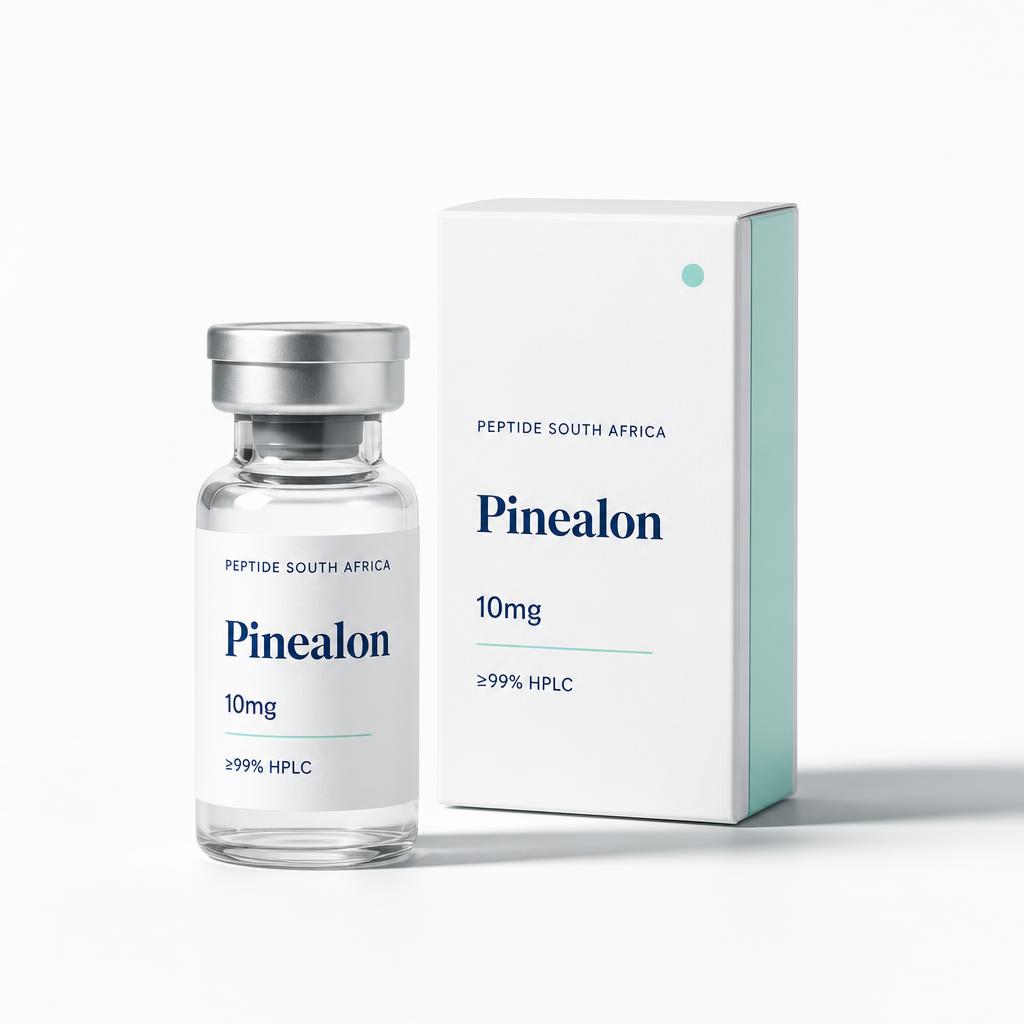
Pinealon is a synthetic tripeptide studied in cellular models of oxidative stress. Direct evidence that it improves sleep in people is limited; a cellular finding is not a demonstrated clinical effect.
What is Pinealon?
Pinealon is a synthetic tripeptide studied in cellular models of oxidative stress. Direct evidence that it improves sleep in people is limited; a cellular finding is not a demonstrated clinical effect. Researchers use study models to explore biological questions. The model and the exact material tested are essential to interpreting a result.
What does the published research show?
Researchers examined Pinealon in several cell types exposed to oxidative stress and reported changes in reactive oxygen species and cell viability. Cells in a laboratory do not replicate the complexity of a sleeping human body.1
What the evidence does not show
The study investigates cellular stress and viability. It does not demonstrate that Pinealon raises melatonin, improves REM sleep or changes sleep architecture in people.
Studies of an individual compound cannot establish that combining it with other compounds is effective or safe. Personal observations and wearable sleep data can generate questions, but cannot by themselves show cause and effect.
How this relates to the DUSK collection
The DUSK collection brings together five separately listed research products and the founder’s exploratory questions. Read the Pinealon research listing for its stated strength and pack choices. Matching-strength analytical documentation is pending; do not assume a study tested the listed batch.
References
Frequently asked questions
Disclaimer: Content is for educational and research purposes only and does not constitute medical advice. Regulatory status and approved indications vary by product and country. In South Africa, confirm a product in SAHPRA's register and consult a registered medical practitioner before considering any treatment.