

DUSK collection · Research explained
What is Cerebrolysin? Stroke research and product identity
Cerebrolysin is the name used for a peptide preparation investigated in neurological conditions. Published trials concern specific preparations in clinical settings; a similarly named research listing cannot be assumed to be the same formulation.
Cerebrolysin is the name used for a peptide preparation investigated in neurological conditions. Published trials concern specific preparations in clinical settings; a similarly named research listing cannot be assumed to be the same formulation.
What is Cerebrolysin?
Cerebrolysin is the name used for a peptide preparation investigated in neurological conditions. Published trials concern specific preparations in clinical settings; a similarly named research listing cannot be assumed to be the same formulation. Researchers use study models to explore biological questions. The model and the exact material tested are essential to interpreting a result.
What does the published research show?
A randomized placebo-controlled trial investigated Cerebrolysin during early recovery after acute ischemic stroke. Other studies have reported different results, so one trial should not be treated as a guarantee of benefit.1
What the evidence does not show
A Cochrane review concluded that Cerebrolysin or related peptide mixtures probably do not reduce all-cause death in acute ischemic stroke. This is a different question from recovery outcomes and illustrates why endpoints and evidence quality matter. The identity and equivalence of our 60 mg research listing to the preparation used in trials have not been established.2
Studies of an individual compound cannot establish that combining it with other compounds is effective or safe. Personal observations and wearable sleep data can generate questions, but cannot by themselves show cause and effect.
How this relates to the DUSK collection
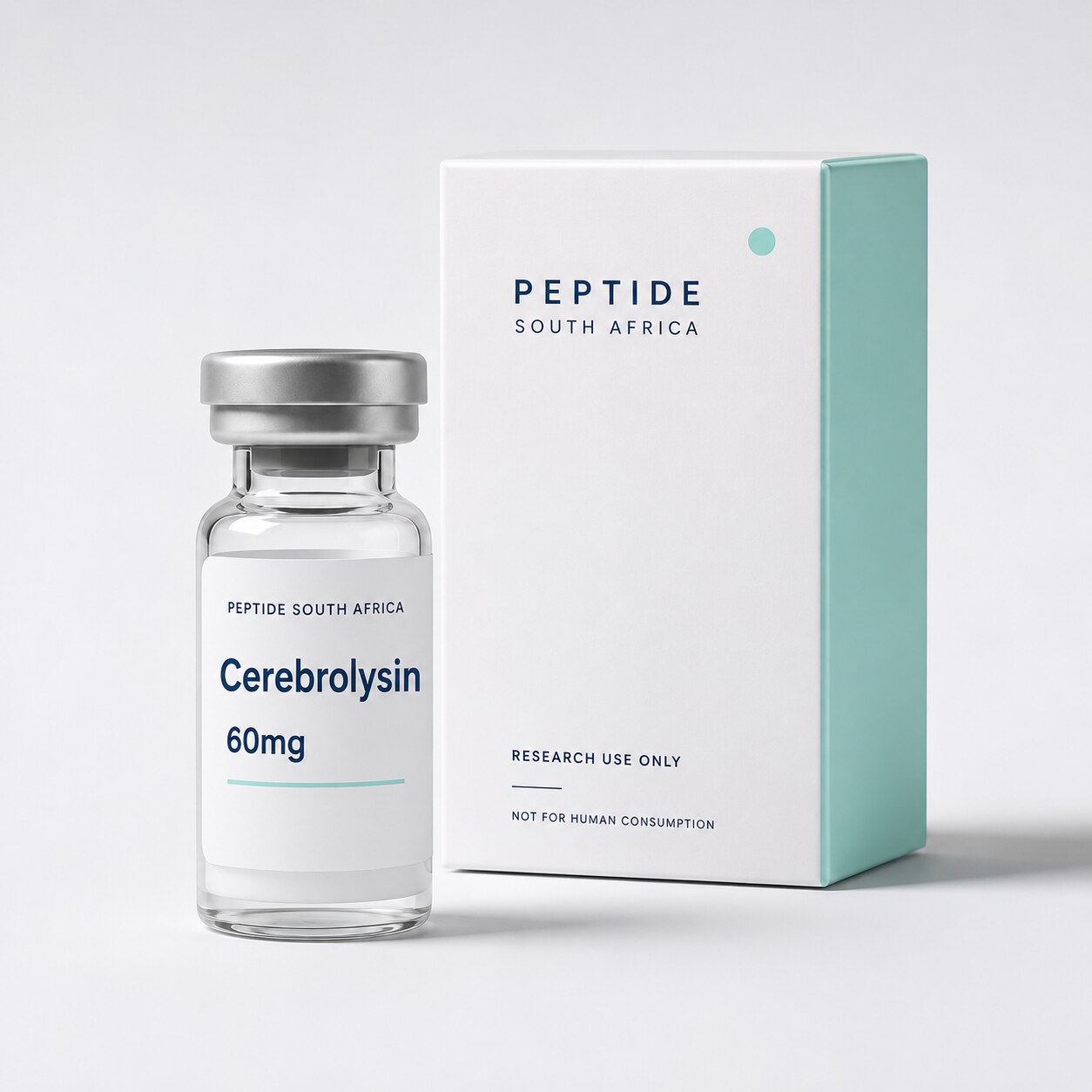
The DUSK collection brings together five separately listed research products and the founder’s exploratory questions. Read the Cerebrolysin research listing for its stated strength and pack choices. Matching-strength analytical documentation is pending; do not assume a study tested the listed batch.
References
Frequently asked questions
Disclaimer: Content is for educational and research purposes only and does not constitute medical advice. Regulatory status and approved indications vary by product and country. In South Africa, confirm a product in SAHPRA's register and consult a registered medical practitioner before considering any treatment.